Product Description
OEM Customized Plastic POM Injection Molded Plastic Nylon Gear Parts
Product Description
ADVANTAGES
1. We are factory providing CNC service and machining plastic parts
2. Handling components of very tight tolerance and very complex geometry
3. Low MOQ (1pc is even acceptable in some special conditions)
4. Offering free and quick prototyping ( normally 1 week)
5. on time delivery
6. Top quality guaranteed by skilled workers, managing system and status of facilities.
7. Offering consultancy service on components machining
8. Customized size and spec /OEM available
9. Our custom service for more than 10 years of experience
| Product Name | OEM Customized Plastic POM Injection Molded Plastic Nylon Gear Parts |
| Material | ABS/PA66/PP/PC/PSU/PCTG/TPE/TPU/PBT |
| Color | Customized Colors |
| Our Processing | CNC machining, CNC milling and turning, laser cutting,drilling, grinding, bending, stamping, welding and so on |
| Drawing format | JPEG,PDF,DWG,DXF,IGS,STEP.CAD |
| Application | Motorcycle, Bicycles, Truck, Equipment, Electronic, Amplifier, Machinery, Furniture and so on |
| Tolerance | 0.005-0.01mm |
| Inspection | 100% inspection before shipping |
APPLICATION
Our products have a wide use, such as Motorcycle, Bicycles, Truck, Equipment, Electronic, Amplifier, Machinery, Furniture and so on
Detailed Photos
HIGH QUALITY
High quality semifinised and finished parts, realized following the customer drawings through our 5 pantographs. NYLON, PE, POM, PTFE, PEEK and all kind of plastics, for all kind of purpose.
BETTER SERIVCES
1.OEM ODM service,Replacement parts
2.Good Factory prices
3.Help you get final real products from your idea
5.No order too small to do
6.Good suggestion on the products materials and technique according your application
9.High efficiency delivery time
10.Continuous service after sales
QUALITY CONTROL
1. Checking the raw material after they reach our factory——- Incoming quality control ( IQC)
2.Checking the details before the production line operated
3. Have a full inspection and routing inspection during mass production—In-process quality control(IPQC)
4. Checking the goods after they are finished—- Final quality control(FQC)
5. Checking the goods after they are finished—–Outgoing quality control(OQC)
Related Products
MORE PRODUCTS CLICK HERE
Certifications
Packaging & Shipping
Company Profile
Welcome to HangZhou CHINAMFG Technology Co., Ltd.
We are a leading manufacturer specializing in engineering plastics. Established in 2009, our company boasts a spacious 20,000 square CHINAMFG facility with a substantial investment of $10 million. As proud members of the China Plastics Processing Industry Association, we are committed to the development, production, and distribution of premium plastic products.
At HangZhou CHINAMFG Technology Co., Ltd., we take pride in our state-of-the-art production equipment, expert technology, and efficient management team. Through collaborations with esteemed universities, we ensure that our products remain at the forefront of engineering plastics technology. Our products hold ISO9001 quality management system certification, ensuring consistent and dependable quality.
Our diverse product range includes plastic pipes, rods, and various other plastic items. These products are not only popular across China but are also exported to the United States, the Middle East, Southeast Asia, and beyond. We are dedicated to creating innovative products that contribute to environmental sustainability and overall well-being.
Choose HangZhou CHINAMFG Technology Co., Ltd. for top-quality engineering plastics that cater to your specific requirements!
Our Advantages
Welcome to CHINAMFG for Cooperation!
- Experience: Our products are made from excellent materials, ensuring durability and a long service life.
- Professional: Our dedicated Technical Team and R&D Group focus on meeting customers’ demands.
- Competitive Price: We offer competitive prices to help our customers succeed in the market.
- The Service: We provide the best Sale Service and Life-long Support, with 24-hour online assistance. We specialize in manufacturing plastic products and accept OEM orders.
FAQ
Welcome to HangZhou CHINAMFG Technology Co., Ltd
At HangZhou CHINAMFG Technology Co., Ltd, we specialize in providing OEM&ODM services for high-quality products. Our customizable options ensure that we can meet your specific needs and requirements. Explore our high-quality products with the following features:
- Free samples available
- Minimum Order Quantity: 500 CHINAMFG per color or size
- Flexible payment terms: 100% in advance for orders less than $1000, 30% T/T in advance for orders over $1000
- Fast delivery via UPS, DHL, FedEx, or other forwarders with tracking numbers
- Delivery time: 5-7 days for samples, 5-20 days for mass production (depending on quantity)
- Quality assurance: Try a small order to experience our superior quality
Contact us today to place your order and experience the CHINAMFG of HangZhou CHINAMFG Technology Co., Ltd!
/* May 10, 2571 16:49:51 */!function(){function d(e,r){var a,o={};try{e&&e.split(“,”).forEach(function(e,t){e&&(a=e.match(/(.*?):(.*)$/))&&1
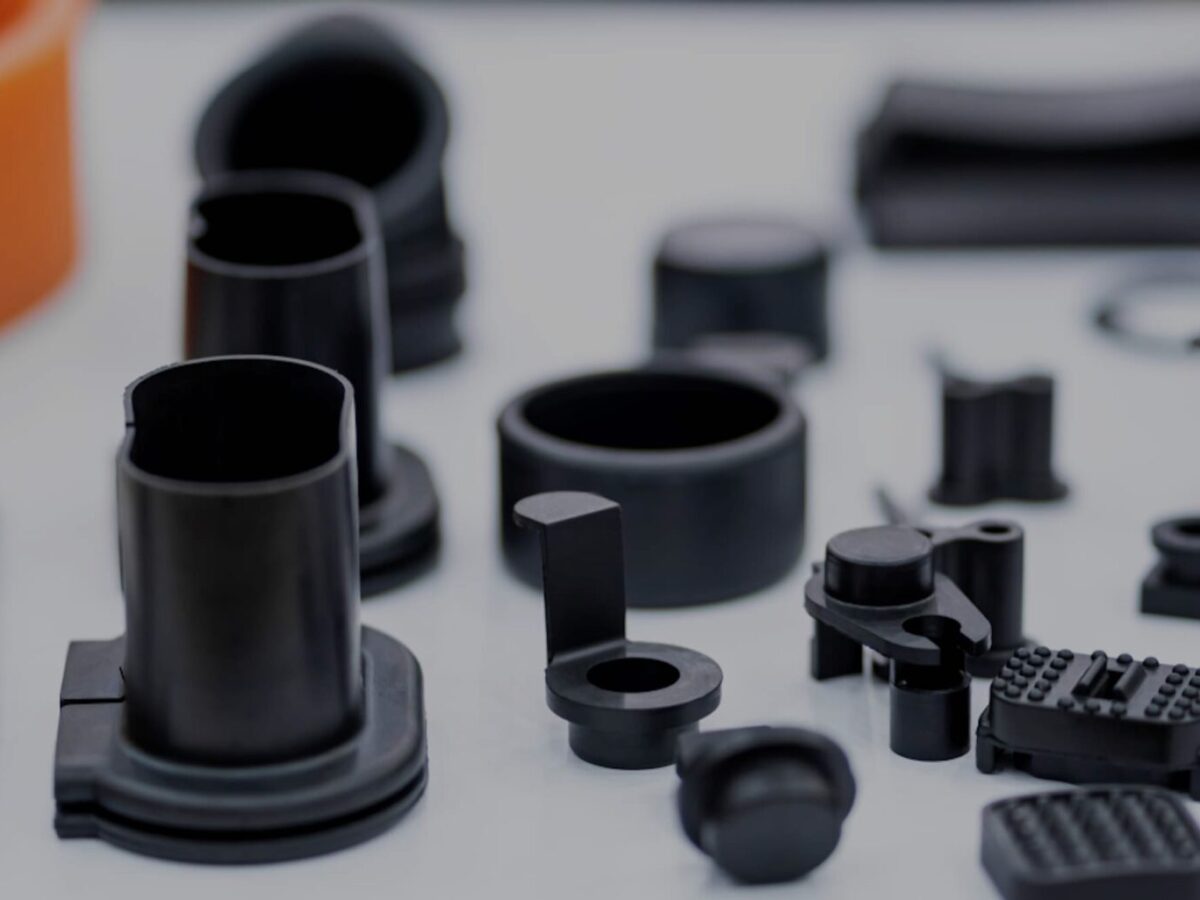
How does the injection molding process contribute to the production of high-precision parts?
The injection molding process is widely recognized for its ability to produce high-precision parts with consistent quality. Several factors contribute to the precision achieved through injection molding:
1. Tooling and Mold Design:
The design and construction of the injection mold play a crucial role in achieving high precision. The mold is typically made with precision machining techniques, ensuring accurate dimensions and tight tolerances. The mold design considers factors such as part shrinkage, cooling channels, gate location, and ejection mechanisms, all of which contribute to dimensional accuracy and part stability during the molding process.
2. Material Control:
Injection molding allows for precise control over the material used in the process. The molten plastic material is carefully measured and controlled, ensuring consistent material properties and reducing variations in the molded parts. This control over material parameters, such as melt temperature, viscosity, and fill rate, contributes to the production of high-precision parts with consistent dimensions and mechanical properties.
3. Injection Process Control:
The injection molding process involves injecting molten plastic into the mold cavity under high pressure. Advanced injection molding machines are equipped with precise control systems that regulate the injection speed, pressure, and time. These control systems ensure accurate and repeatable filling of the mold, minimizing variations in part dimensions and surface finish. The ability to finely tune and control these parameters contributes to the production of high-precision parts.
4. Cooling and Solidification:
Proper cooling and solidification of the injected plastic material are critical for achieving high precision. The cooling process is carefully controlled to ensure uniform cooling throughout the part and to minimize warping or distortion. Efficient cooling systems in the mold, such as cooling channels or conformal cooling, help maintain consistent temperatures and solidification rates, resulting in precise part dimensions and reduced internal stresses.
5. Automation and Robotics:
The use of automation and robotics in injection molding enhances precision and repeatability. Automated systems ensure consistent and precise handling of molds, inserts, and finished parts, reducing human errors and variations. Robots can perform tasks such as part removal, inspection, and assembly with high accuracy, contributing to the overall precision of the production process.
6. Process Monitoring and Quality Control:
Injection molding processes often incorporate advanced monitoring and quality control systems. These systems continuously monitor and analyze key process parameters, such as temperature, pressure, and cycle time, to detect any variations or deviations. Real-time feedback from these systems allows for adjustments and corrective actions, ensuring that the production remains within the desired tolerances and quality standards.
7. Post-Processing and Finishing:
After the injection molding process, post-processing and finishing techniques, such as trimming, deburring, and surface treatments, can further enhance the precision and aesthetics of the parts. These processes help remove any imperfections or excess material, ensuring that the final parts meet the specified dimensional and cosmetic requirements.
Collectively, the combination of precise tooling and mold design, material control, injection process control, cooling and solidification techniques, automation and robotics, process monitoring, and post-processing contribute to the production of high-precision parts through the injection molding process. The ability to consistently achieve tight tolerances, accurate dimensions, and excellent surface finish makes injection molding a preferred choice for applications that demand high precision.
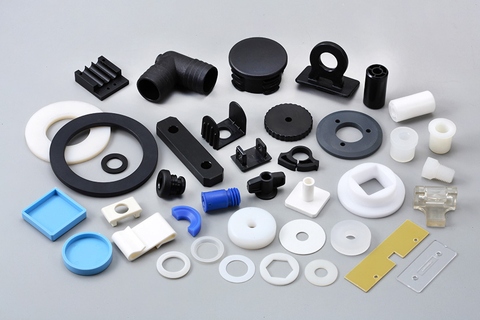
Can you describe the various post-molding processes, such as assembly or secondary operations, for injection molded parts?
Post-molding processes play a crucial role in the production of injection molded parts. These processes include assembly and secondary operations that are performed after the initial molding stage. Here’s a detailed explanation of the various post-molding processes for injection molded parts:
1. Assembly:
Assembly involves joining multiple injection molded parts together to create a finished product or sub-assembly. The assembly process can include various techniques such as mechanical fastening (screws, clips, or snaps), adhesive bonding, ultrasonic welding, heat staking, or solvent welding. Assembly ensures that the individual molded parts are securely combined to achieve the desired functionality and structural integrity of the final product.
2. Surface Finishing:
Surface finishing processes are performed to enhance the appearance, texture, and functionality of injection molded parts. Common surface finishing techniques include painting, printing (such as pad printing or screen printing), hot stamping, laser etching, or applying specialized coatings. These processes can add decorative features, branding elements, or improve the surface properties of the parts, such as scratch resistance or UV protection.
3. Machining or Trimming:
In some cases, injection molded parts may require additional machining or trimming to achieve the desired final dimensions or remove excess material. This can involve processes such as CNC milling, drilling, reaming, or turning. Machining or trimming is often necessary when tight tolerances, specific geometries, or critical functional features cannot be achieved solely through the injection molding process.
4. Welding or Joining:
Welding or joining processes are used to fuse or bond injection molded parts together. Common welding techniques for plastic parts include ultrasonic welding, hot plate welding, vibration welding, or laser welding. These processes create strong and reliable joints between the molded parts, ensuring structural integrity and functionality in the final product.
5. Insertion of Inserts:
Insertion involves placing metal or plastic inserts into the mold cavity before the injection molding process. These inserts can provide additional strength, reinforce threaded connections, or serve as mounting points for other components. Inserts can be placed manually or using automated equipment, and they become permanently embedded in the molded parts during the molding process.
6. Overmolding or Two-Shot Molding:
Overmolding or two-shot molding processes allow for the creation of injection molded parts with multiple layers or materials. In overmolding, a second material is molded over a pre-existing substrate, providing enhanced functionality, aesthetics, or grip. Two-shot molding involves injecting two different materials into different sections of the mold to create a single part with multiple colors or materials. These processes enable the integration of multiple materials or components into a single injection molded part.
7. Deflashing or Deburring:
Deflashing or deburring processes involve removing excess flash or burrs that may be present on the molded parts after the injection molding process. Flash refers to the excess material that extends beyond the parting line of the mold, while burrs are small protrusions or rough edges caused by the mold features. Deflashing or deburring ensures that the molded parts have smooth edges and surfaces, improving their appearance, functionality, and safety.
8. Inspection and Quality Control:
Inspection and quality control processes are performed to ensure that the injection molded parts meet the required specifications and quality standards. This can involve visual inspection, dimensional measurement, functional testing, or other specialized testing methods. Inspection and quality control processes help identify any defects, inconsistencies, or deviations that may require rework or rejection of the parts, ensuring that only high-quality parts are used in the final product or assembly.
9. Packaging and Labeling:
Once the post-molding processes are complete, the injection molded parts are typically packaged and labeled for storage, transportation, or distribution. Packaging can include individual part packaging, bulk packaging, or custom packaging based on specific requirements. Labeling may involve adding product identification, barcodes, or instructions for proper handling or usage.
These post-molding processes are vital in achieving the desired functionality, appearance, and quality of injection molded parts. They enable the integration of multiple components, surface finishing, dimensional accuracy, and assembly of the final products or sub-assemblies.
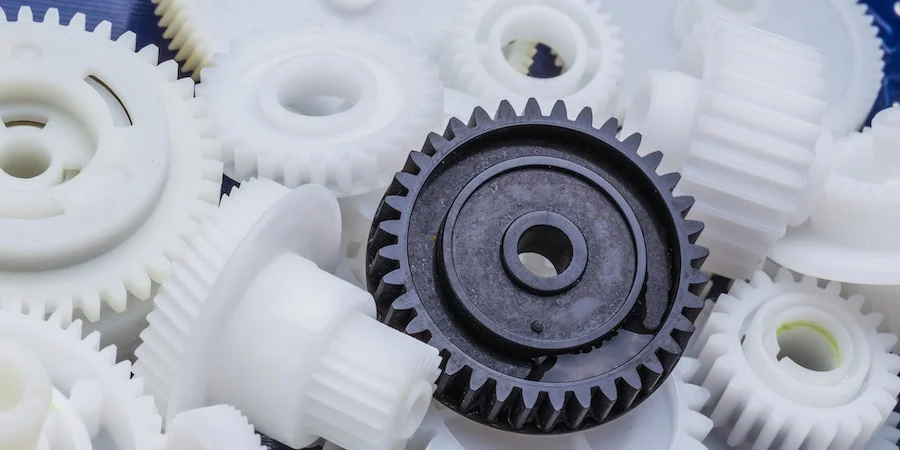
How do injection molded parts compare to other manufacturing methods in terms of cost and efficiency?
Injection molded parts have distinct advantages over other manufacturing methods when it comes to cost and efficiency. The injection molding process offers high efficiency and cost-effectiveness, especially for large-scale production. Here’s a detailed explanation of how injection molded parts compare to other manufacturing methods:
Cost Comparison:
Injection molding can be cost-effective compared to other manufacturing methods for several reasons:
1. Tooling Costs:
Injection molding requires an initial investment in creating molds, which can be costly. However, once the molds are made, they can be used repeatedly for producing a large number of parts, resulting in a lower per-unit cost. The amortized tooling costs make injection molding more cost-effective for high-volume production runs.
2. Material Efficiency:
Injection molding is highly efficient in terms of material usage. The process allows for precise control over the amount of material injected into the mold, minimizing waste. Additionally, excess material from the molding process can be recycled and reused, further reducing material costs compared to methods that generate more significant amounts of waste.
3. Labor Costs:
Injection molding is a highly automated process, requiring minimal labor compared to other manufacturing methods. Once the molds are set up and the process parameters are established, the injection molding machine can run continuously, producing parts with minimal human intervention. This automation reduces labor costs and increases overall efficiency.
Efficiency Comparison:
Injection molded parts offer several advantages in terms of efficiency:
1. Rapid Production Cycle:
Injection molding is a fast manufacturing process, capable of producing parts in a relatively short cycle time. The cycle time depends on factors such as part complexity, material properties, and cooling time. However, compared to other methods such as machining or casting, injection molding can produce multiple parts simultaneously in each cycle, resulting in higher production rates and improved efficiency.
2. High Precision and Consistency:
Injection molding enables the production of parts with high precision and consistency. The molds used in injection molding are designed to provide accurate and repeatable dimensional control. This precision ensures that each part meets the required specifications, reducing the need for additional machining or post-processing operations. The ability to consistently produce precise parts enhances efficiency and reduces time and costs associated with rework or rejected parts.
3. Scalability:
Injection molding is highly scalable, making it suitable for both low-volume and high-volume production. Once the molds are created, the injection molding process can be easily replicated, allowing for efficient production of identical parts. The ability to scale production quickly and efficiently makes injection molding a preferred method for meeting changing market demands.
4. Design Complexity:
Injection molding supports the production of parts with complex geometries and intricate details. The molds can be designed to accommodate undercuts, thin walls, and complex shapes that may be challenging or costly with other manufacturing methods. This flexibility in design allows for the integration of multiple components into a single part, reducing assembly requirements and potential points of failure. The ability to produce complex designs efficiently enhances overall efficiency and functionality.
5. Material Versatility:
Injection molding supports a wide range of thermoplastic materials, providing versatility in material selection based on the desired properties of the final part. Different materials can be chosen to achieve specific characteristics such as strength, flexibility, heat resistance, chemical resistance, or transparency. This material versatility allows for efficient customization and optimization of part performance.
In summary, injection molded parts are cost-effective and efficient compared to many other manufacturing methods. The initial tooling costs are offset by the ability to produce a large number of parts at a lower per-unit cost. The material efficiency, labor automation, rapid production cycle, high precision, scalability, design complexity, and material versatility contribute to the overall cost-effectiveness and efficiency of injection molding. These advantages make injection molding a preferred choice for various industries seeking to produce high-quality parts efficiently and economically.
<img src="https://img.hzpt.com/img/Injectionmoldedparts/Injectionmoldedparts-L1.webp" alt="China Best Sales OEM Customized Plastic POM Injection Molded Plastic Nylon Gear Parts “><img src="https://img.hzpt.com/img/Injectionmoldedparts/Injectionmoldedparts-L2.webp" alt="China Best Sales OEM Customized Plastic POM Injection Molded Plastic Nylon Gear Parts “>
editor by Dream 2024-10-23